
Museums & Historical Sites
Navigate to Museums & Historical Places according to city
Lefkoşa
Dervish Pasha Ethnography Museum
This restored Ottoman mansion offers insight into traditional Turkish Cypriot domestic life. The museum displays period furniture, clothing, household items, and everyday tools from the late 19th and early 20th centuries. Visitors can explore rooms arranged as they would have been used historically, giving a strong sense of daily life at the time.

Mevlevi Tekke Museum
Once a Mevlevi dervish lodge, this museum is connected to the Sufi order founded by Mevlana Rumi. It features tombs, manuscripts, musical instruments, and ceremonial objects related to dervish rituals. Visitors can learn about Sufi philosophy and the religious history of the Ottoman period in Cyprus.

The Lapidary Museum
The Lapidary Museum displays a rich collection of stone artifacts from Cyprus’s medieval past. Exhibits include architectural fragments, carved columns, coats of arms, sarcophagi, and sculptural elements from Lusignan and Venetian periods. Visitors can explore how stone was used in religious, civic, and domestic architecture across historic Nicosia.
.jpg)
Museum of Barbarism
Located in a former residence, this museum commemorates the tragic events of 1963–64. It documents violence against Turkish Cypriots through photographs, personal belongings, and historical records. The museum offers a powerful and emotional insight into a difficult chapter of Cyprus’s modern history.
.jpg)
Turkish Cypriot Museum of History, Culture and National Struggle
This museum presents the historical development, cultural heritage, and political struggles of the Turkish Cypriot community. Exhibits include documents, photographs, personal items, and multimedia displays. Visitors gain a broad understanding of Turkish Cypriot identity and modern history.

Lusignan House
A restored medieval residence reflecting Gothic architecture from the Lusignan period. The building showcases stonework, arches, and traditional construction techniques. Visitors can explore how elite families lived during the medieval era in Cyprus.

The Eaved House
This traditional Cypriot house is notable for its distinctive wooden eaves. Inside, visitors can see examples of domestic architecture and everyday household life. The museum highlights local craftsmanship and traditional building styles.
_edited.jpg)
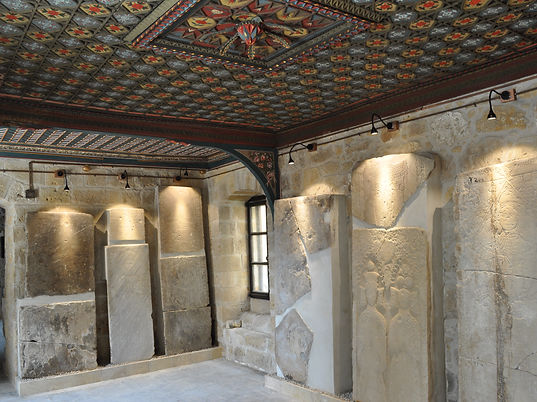
Medieval Tombstones Museum (closed)
This museum focuses specifically on medieval tombstones and funerary stone carvings. The collection reflects burial practices, social status, and artistic traditions from the Lusignan period. Visitors can see finely carved grave slabs that provide insight into medieval life, death, and religious culture in Cyprus.
Girne (Kyrenia)
Girne Castle & Museums
Overlooking Kyrenia Harbour, this impressive castle dates back to Byzantine times. Inside are several museums, including the Shipwreck Museum, which displays one of the world’s oldest recovered merchant ships. Visitors can explore fortifications, towers, dungeons, and panoramic views of the coastline.
.jpg)
Bellapais Monastery
A Gothic monastery set in the mountains above Kyrenia, dating to the 13th century. Its elegant arches and cloisters are among the finest examples of Gothic architecture in Cyprus. Visitors can explore the ruins while enjoying spectacular views of the coastline.
.jpg)
St. Hilarion Castle
Perched high in the Kyrenia Mountains, this dramatic castle is associated with Byzantine defense and later Crusader use. The ruins climb steeply up the mountainside, offering breathtaking views. Visitors can explore towers, chambers, and fortifications that inspired fairy-tale legends.
.jpg)
The Cyprus House & Carob Warehouse
These restored buildings highlight the historical importance of carob production in Cyprus. Exhibits explain harvesting, storage, and export of carob, once known as “black gold.” Visitors learn about traditional agriculture and trade.
.jpg)
Archangelos Church & Icon Museum
This church houses a significant collection of religious icons. The museum displays iconography from various periods, reflecting Orthodox Christian traditions. Visitors can see finely detailed religious artworks and learn about ecclesiastical history.

Peace & Freedom Museum
Dedicated to the 1974 Peace Operation, this museum presents military equipment, photographs, and historical narratives. It focuses on the events leading to the division of the island. Visitors gain insight into recent political and military history.
.jpg)
Antiphonitis Monastary
A Byzantine monastery famous for its rare surviving frescoes. The wall paintings depict religious scenes from the medieval period. Visitors can appreciate both the artistic and spiritual significance of the site.
.jpg)
Taşkent Martyrs’ Cemetery and Museum
This site commemorates Turkish Cypriots who lost their lives during intercommunal conflict. The museum documents historical events through photographs and personal stories. It serves as a place of remembrance and reflection.
.jpg)
Famagusta
St. Barnabas Museum
Located near the tomb of St. Barnabas, the museum is housed in a former monastery. It displays archaeological artifacts, icons, and ecclesiastical items. Visitors can explore early Christian history in Cyprus.
.jpg)
Salamis Ruins
One of the most important ancient cities on the island, dating back to antiquity. Visitors can explore theaters, baths, gymnasiums, mosaics, and colonnaded streets. The site offers a vivid picture of ancient urban life.
.jpg)
Othello's Tower
A medieval fortification in Famagusta associated with Venetian rule and later immortalized by Shakespeare. The tower played a key role in the city’s defenses. Visitors can explore the battlements and learn about military history.
.jpg)
Royal Tombs
These ancient burial chambers date to the Classical period. Carved directly into rock, they reflect elite burial practices. Visitors can explore tomb complexes and learn about ancient funerary traditions.
.jpg)
Enkomi Ruins
An important Bronze Age settlement linked to early copper trade. Archaeological remains include city walls, houses, and temples. Visitors can learn about early urban development in Cyprus.
.jpg)
Kantara Castle
A mountaintop castle offering panoramic views across the island. Built during the Byzantine period, it later served Crusader and Lusignan rulers. Visitors can explore ruins while enjoying dramatic scenery.
.jpg)
Canbulat Museum
Dedicated to Canbulat Bey, an Ottoman figure associated with the conquest of Famagusta. The museum includes historical displays and symbolic exhibits. Visitors learn about Ottoman history and legend.
.jpg)
Iskele Icon Museum
This museum showcases a collection of religious icons from different periods. The exhibits highlight Orthodox artistic traditions. Visitors can admire detailed icon paintings and learn about their symbolism.
.jpg)
Iskele Archeology Museum
A regional archaeology museum displaying finds from surrounding areas. Artifacts span prehistoric to Roman periods. Visitors gain insight into local ancient history.
.jpg)
Namık Kemal Dungeon and Museum
The Namık Kemal Dungeon and Museum is housed in the former dungeon where the renowned Ottoman writer and intellectual Namık Kemal was exiled in 1873. The building combines Lusignan and Ottoman architectural elements, featuring a stone-walled dungeon cell below and a brighter living space above. Exhibits include documents, letters, and works from his exile, highlighting his ideas on freedom, homeland, and justice.
.jpg)
The Land Gate (Rivettina Bastion)
Part of Famagusta’s Venetian fortifications. The gate once controlled access to the walled city. Visitors can see impressive defensive architecture and learn about military engineering.
.jpg)
Ayios Trias Basilica
An early Christian basilica dating to the Byzantine period. The ruins include columns, mosaics, and architectural remains. Visitors can explore early church architecture and religious history.
.jpg)
St. Mamas Monastery & Icon Museum
Dedicated to St. Mamas, a popular local saint. The museum displays icons and religious artifacts. Visitors can explore the monastery complex and learn about regional religious traditions.
.jpg)
Soli Ruins
An ancient city with remains from Greek and Roman periods. Highlights include mosaics, a basilica, and a theater. Visitors can explore a well-preserved archaeological landscape.
.jpg)
Vouni Palace
Vouni Palace is the archaeological remains of an ancient palace complex built on a hilltop overlooking Soli, originally constructed in the 5th century BC and destroyed by fire around 380 BC. Today, the ruins include terraces, foundations, courtyards, and cisterns set among spectacular 360° views, offering insight into its strategic and architectural significance.
.jpg)
Guzelyurt Railway Station Museum
A former railway station converted into a museum. Exhibits focus on the island’s short-lived railway history. Visitors can see historical photographs and equipment.

Lefke Mining Museum
This museum documents the copper mining industry that once played a major role in Lefke’s economy. Exhibits include tools, photographs, and personal accounts. Visitors learn about industrial heritage and labor history.
.jpg)